This page is unfortunately closed.
Welcome to theclearances.org
Click hereto register and get all the personalised features.
theclearances.org is a website to tell stories from Scotland's Highland Clearances.
 The Highland Clearances The Highland Clearances
'Never again will a single story be told as though it is the only one' - John Berger. The Highland Clearances are stories of individual people, in some cases of their greed and in others of their suffering.
-
Highland settlers in Georgia
-
How seaweed controlled emigration
-
The Gaelic voice
 Why is there nothing on ... ? Why is there nothing on ... ?
We receive a lot of email along these lines. Why isn't so and so included? Why is there no material on such and such a place? Simple - resources. We have achieved something but could do much more. The hundred articles should become one thousand. The 4700 people in the database could grow to ten times that. The gazetteer and mapping is a project in itself. We want to make the site more accessible to schoolchildren in Scotland and the diaspora and include material they produce. Eventually we would like a physical presence: a museum and archive.
To do this we need money. We have no public funding and no budget to employ even a part-time fundraiser. Your donation, however small, or some pressure for funding on an organisation you belong to, can help the project move forward and provide both a fitting remembrance for the Clearances and a forum for better informed research.
By cheques, cash or credit card, online or by post, directly to us or in conjunction with Trees for Life, you can help.
 The state of Scotland The state of Scotland
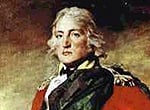
Scotland is fortunate to have a series of excellent snapshots of local life around the time of the main Clearances ca 1790-1845 with the Statistical Accounts, a remarkable venture coordinated by Sir John Sinclair of Ulbster. The accounts he received from local parish ministers run the range from toadying to landlords to trenchant criticism but almost all are interesting.
-
John Sinclair of Ulbster
-
Kilmonivaig: wasted opportunities
-
Crieff - a town which prospered
 Photographic Prints Photographic Prints
If you can't photograph the place in Scotland your ancestors came from, we can. Beautiful 10 x 8" prints according to your specification. A reminder of your Scottish roots or a thoughtful present.
|
|


|
